If you’ve ever experienced a sudden wave of fear, a racing heart, tightness in your chest or throat, or the feeling that your mind is spiraling out of control, you may have wondered:
“What does an anxiety attack feel like?”
Many people use the term “anxiety attack” to describe an intense burst of anxiety, fear, or emotional overwhelm. While it is not an official clinical diagnosis, the experience itself is very real — and it is one of the most common reasons people seek psychiatric help.
At Bergen Psychiatric Associates, Dr. Syed Zaidi, MD helps patients recognize the symptoms of anxiety attacks, understand what is happening in the mind and body, and develop strategies to manage them safely and effectively.
Signs and Symptoms of an Anxiety Attack
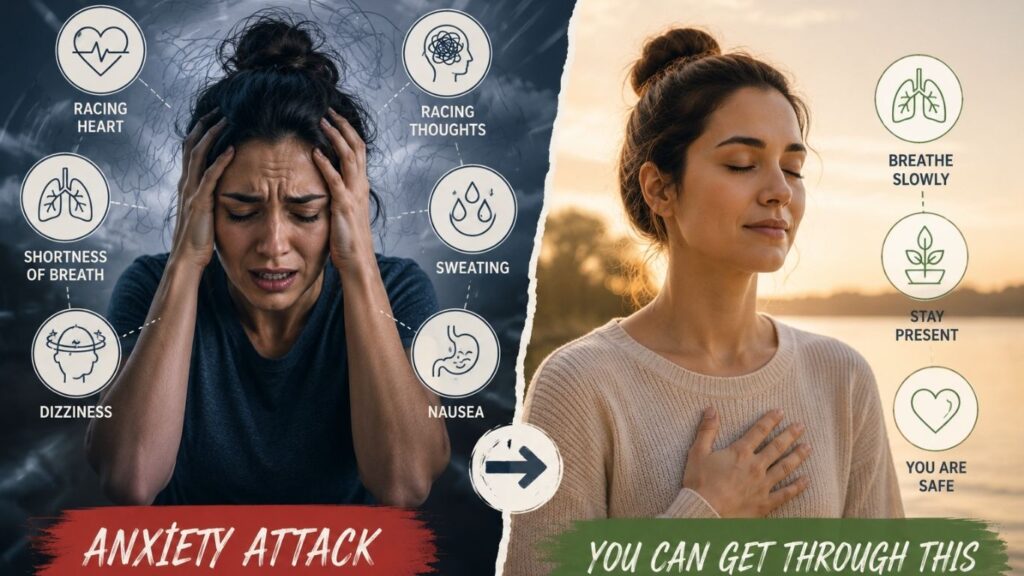
An anxiety attack can involve both physical and emotional symptoms. The intensity may vary from person to person, but many people experience a combination of the following:
- Racing heart or heart palpitations
- Shortness of breath or difficulty catching your breath
- Trembling, shaking, or muscle tension
- Sweating, chills, or hot flashes
- Dizziness or feeling lightheaded
- Nausea or stomach discomfort
- A strong sense of fear or dread
- Fear of losing control or “something bad is about to happen”
- Difficulty concentrating
- Feeling disconnected from yourself or your surroundings
Some people notice anxiety building gradually throughout the day, while others feel symptoms appear suddenly and intensely.
What Is Actually Happening During an Anxiety Attack?
When an anxiety attack happens, your body’s fight-or-flight system becomes activated — even if there is no real physical danger present.
Your nervous system releases stress hormones like adrenaline, which can:
- Increase your heart rate
- Tighten muscles
- Speed up breathing
- Heighten alertness
This response is designed to protect you during emergencies. However, when it activates without actual danger, it can feel confusing, overwhelming, and physically frightening.
Many patients describe anxiety attacks as feeling like their body is convincing them they are unsafe, even when they logically know they are okay.
Recognizing this pattern is often one of the first important steps in treatment.
Anxiety Attack vs. Panic Attack: What’s the Difference?
The terms “anxiety attack” and “panic attack” are often used interchangeably, but there are some important differences.
Anxiety Attack
An anxiety attack typically builds gradually and is often connected to ongoing stress, worry, or overthinking.
- Usually linked to stress or anxious thoughts
- Builds up over time
- Can last for minutes or even hours
Panic Attack
A panic attack is usually more sudden and intense, often reaching peak intensity quickly.
- Can happen unexpectedly
- Creates a sudden surge of fear or physical symptoms
- Often peaks within 10 minutes
Regardless of which type of episode you are experiencing, both can significantly affect quality of life and should not be ignored.
What to Do During an Anxiety Attack
If you feel an anxiety attack starting, there are several techniques that may help calm your nervous system and reduce the intensity of symptoms.
Practice Slow Breathing
Try slow, controlled breathing:
- Inhale for 4 seconds
- Hold briefly
- Exhale slowly for 6–8 seconds
Slow breathing can help signal safety to your nervous system and reduce physical symptoms.
Use Grounding Techniques
The 5-4-3-2-1 grounding method can help pull your attention away from fear and back into the present moment:
- 5 things you can see
- 4 things you can touch
- 3 things you can hear
- 2 things you can smell
- 1 thing you can taste
Remind Yourself the Feeling Will Pass
Many people fear that anxiety symptoms mean something dangerous is happening physically. Reminding yourself:
“This is anxiety. It will rise, peak, and eventually pass.”
can help reduce fear of the symptoms themselves.
Avoid Escaping Immediately
If it is safe to stay where you are, try not to immediately flee the situation. Constantly escaping situations during anxiety attacks can unintentionally reinforce fear patterns in the brain.
Learning to stay present safely — even briefly — can help reduce long-term anxiety over time.
Track Your Symptoms
Keep notes about:
- When attacks happen
- Possible triggers
- How long symptoms last
- What techniques helped
Sharing this information with your psychiatrist can help guide treatment.
When to Seek Professional Help
You should consider speaking with a psychiatrist if you experience:
- Repeated anxiety or panic attacks
- Fear of future attacks
- Avoidance of places or situations because of anxiety
- Symptoms interfering with work, school, or relationships
- Physical symptoms without a clear medical explanation
- A history of anxiety disorder, panic disorder, or related conditions
Professional evaluation can help determine whether you may be dealing with an anxiety disorder, panic disorder, or another mental health condition.
Why Early Treatment Matters
Ignoring anxiety attacks can sometimes lead to:
-
- More frequent or severe episodes
- Increased avoidance behaviors
- Social isolation
- Difficulty functioning at work or school
- Depression or other mood-related conditions
- Sleep and stress-related physical health issues
Early treatment often improves long-term outcomes and helps people regain confidence and stability faster.
Final Thoughts
Anxiety attacks can feel extremely frightening, but they are not a sign of weakness or failure. They are a sign that your nervous system is becoming overloaded and needs support.
At Bergen Psychiatric Associates, Dr. Syed Zaidi, MD provides compassionate psychiatric care to help patients understand anxiety, reduce panic symptoms, and develop effective long-term coping strategies.
With the right treatment plan, anxiety attacks can become manageable — and they do not have to define your life.