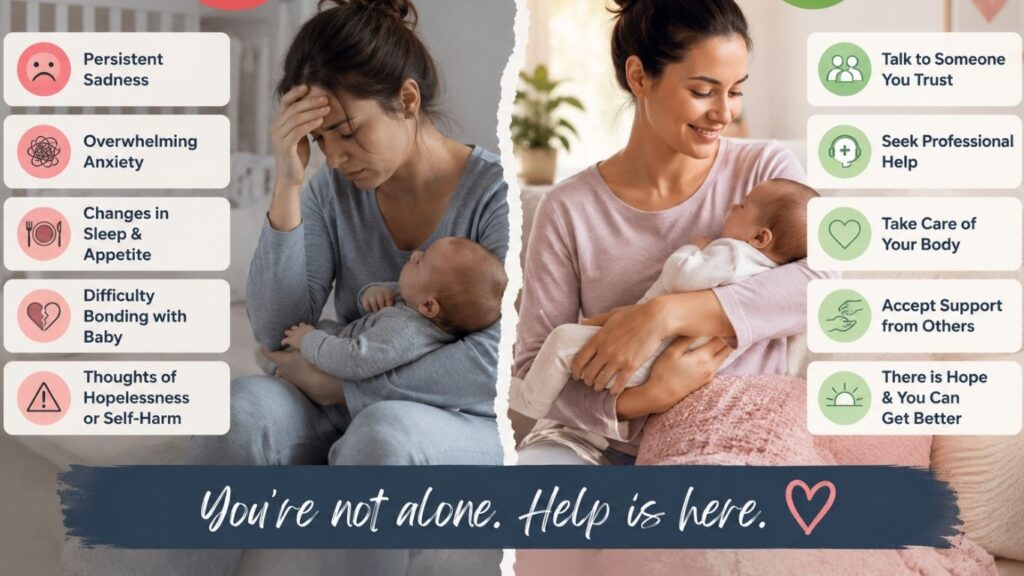
Welcoming a new baby is often described as one of the happiest moments in life — but for many mothers, it can also become one of the most emotionally overwhelming periods they have ever experienced.
Feeling exhausted, emotional, or tearful after childbirth can be completely normal. However, when those feelings become intense, persistent, or begin interfering with daily life, it may be a sign of postpartum depression.
At Bergen Psychiatric Associates, Dr. Syed Zaidi, MD provides compassionate and evidence-based care for women experiencing emotional and psychological challenges after childbirth.
Recognizing the symptoms of postpartum depression early is one of the most important steps toward healing — for both you and your baby.
What Is Postpartum Depression?
Postpartum depression (PPD) is a mood disorder that can develop within weeks or months after giving birth. It goes beyond the temporary “baby blues” that many women experience because of hormonal changes, stress, and sleep deprivation.
While baby blues typically improve within one to two weeks, postpartum depression can last much longer and often requires professional treatment.
According to the CDC, postpartum depression affects approximately 1 in 8 women, though experts believe many cases go undiagnosed because mothers may feel ashamed, guilty, or afraid to talk about their emotions.
1. Persistent Sadness or Hopelessness
One of the most common signs of postpartum depression is a deep sadness that does not seem to go away.
You may find yourself:
- Crying frequently without a clear reason
- Feeling emotionally numb
- Losing interest in things you normally enjoy
- Feeling hopeless or disconnected from life
Many mothers tell themselves they “should” feel happy after having a baby, which can create even more guilt and confusion.
But postpartum depression is not a reflection of your love for your child. It is a real mental health condition involving emotional, hormonal, and neurological changes.
2. Overwhelming Anxiety or Panic
Postpartum depression is not always just sadness. Many women also experience severe anxiety or panic symptoms after childbirth.
You may notice:
- Constant worry about your baby’s safety
- Racing thoughts
- Panic attacks or feelings of dread
- Difficulty relaxing even when your baby is safe
- Feeling mentally “on edge” all the time
This anxiety can interfere with sleep, eating, concentration, and overall emotional well-being.
Persistent postpartum anxiety is extremely common and highly treatable with proper psychiatric support.
3. Changes in Sleep or Appetite
Although sleep deprivation is common with a newborn, postpartum depression often causes changes in sleep that go beyond normal exhaustion.
Some mothers experience:
- Insomnia even when the baby is sleeping
- Restless or interrupted sleep
- Oversleeping or extreme fatigue
Appetite changes are also common.
You may:
- Lose interest in food entirely
- Forget to eat
- Overeat as a way to cope emotionally
These symptoms are often connected to hormonal shifts, emotional stress, and changes in brain chemistry after childbirth.
4. Difficulty Bonding With Your Baby
One of the most emotionally painful symptoms of postpartum depression is feeling disconnected from your baby.
You may:
- Struggle to feel emotionally connected
- Feel numb during caregiving moments
- Wonder why you do not feel the “instant bond” others describe
- Feel guilty or ashamed about these emotions
This does not mean you are a bad mother.
It means your mind and body are overwhelmed and need support. With treatment, emotional connection and healthy bonding can improve significantly over time.
5. Thoughts of Self-Harm or Hopelessness
In more severe cases, postpartum depression may lead to thoughts of hopelessness, self-harm, or fears that you are failing as a parent.
If you ever feel that you or your baby may not be safe, seek emergency help immediately by calling 911 or the Suicide & Crisis Lifeline at 988.
Postpartum depression is treatable, and recovery is possible with the right care and support.
When to Seek Professional Help
If symptoms last longer than two weeks or begin affecting your ability to care for yourself, your baby, or your daily responsibilities, it may be time to seek professional support.
Dr. Syed Zaidi, MD specializes in helping women manage mood and anxiety-related conditions connected to pregnancy and postpartum changes.
Treatment may include:
- Medication management tailored for postpartum safety, including breastfeeding considerations
- Cognitive Behavioral Therapy (CBT) to address negative thought patterns
- Lifestyle support focused on sleep, nutrition, and stress management
- Partner or family guidance to improve support systems at home
You Are Not Alone — And You Can Get Better
Postpartum depression can make women feel isolated, exhausted, and emotionally broken — but it is both common and highly treatable.
The earlier treatment begins, the easier it often becomes to reconnect with yourself, your emotions, and your baby.
If you or someone you love is experiencing symptoms of postpartum depression, contact Bergen Psychiatric Associates today.
Dr. Syed Zaidi, MD and his team provide compassionate psychiatric care to help mothers throughout New Jersey find healing, stability, and emotional support during the postpartum period.