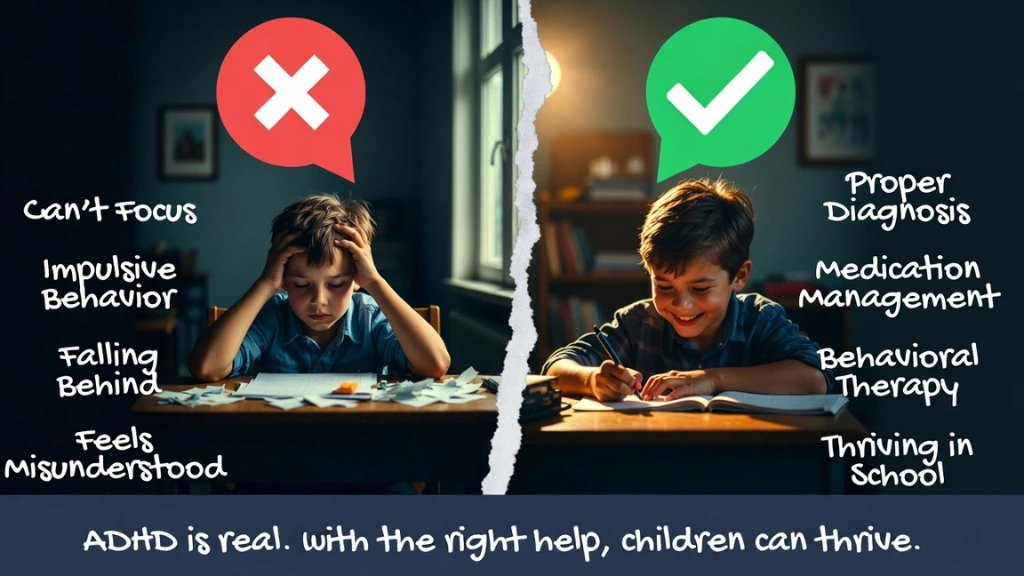
Is ADHD a psychiatric disorder? The short answer is yes — and it’s actually one of the most thoroughly researched psychiatric conditions in existence. Yet confusion around this question is remarkably common, partly because of outdated stereotypes about what “psychiatric disorder” means, and partly because ADHD can look so different from one person to the next.
Understanding what ADHD really is — and what classifies it as a psychiatric condition — matters enormously for the people living with it and the families supporting them.
What “Psychiatric Disorder” Actually Means
When people hear the phrase “psychiatric disorder,” they sometimes picture severe psychosis, hallucinations, or complete detachment from reality. That narrow image leads many to wonder how something like ADHD — which involves attention, impulsivity, and hyperactivity — fits the category.
But a psychiatric disorder is simply any condition that involves disruptions in mental functioning significant enough to cause meaningful impairment in a person’s daily life. By that definition, ADHD fits clearly and consistently. The DSM-5, the standard diagnostic manual used by psychiatrists across the United States, classifies ADHD as a neurodevelopmental disorder — a category of psychiatric conditions that originate in brain development and affect behavior, learning, attention, and self-regulation.
Is ADHD a Psychiatric Disorder? The Brain Science Behind It
One of the strongest arguments for understanding ADHD as a genuine psychiatric disorder — rather than a behavioral choice or parenting issue — is the neurological evidence behind it.
Neuroimaging studies have consistently shown structural and functional differences in the brains of people with ADHD compared to those without it. The prefrontal cortex — the region responsible for executive functioning — shows measurably different activity patterns. Executive functioning governs the skills most affected by ADHD: planning, organizing, sustaining attention, controlling impulses, managing time, and evaluating consequences before acting.
In people with ADHD, these processes don’t work as efficiently. It’s not a matter of willpower or effort. The brain’s communication pathways, particularly those involving dopamine and norepinephrine, transmit information differently — and that difference has real consequences for how a person thinks, learns, and behaves.
This is also why stimulant medications are so effective for ADHD. They work directly on these dopamine and norepinephrine pathways, improving the brain’s ability to regulate attention and impulse control. The fact that medication produces measurable neurological changes is itself strong evidence that ADHD is a biological, brain-based condition.
ADHD Symptoms: More Than Just “Easily Distracted”
ADHD presents across three primary patterns — predominantly inattentive, predominantly hyperactive-impulsive, and combined presentation — and symptoms vary considerably between individuals and across age groups.
In children, the most visible signs often include difficulty staying seated, constant movement, talking excessively, interrupting others, losing belongings repeatedly, forgetting instructions, and struggling to complete tasks even when they want to. Schoolwork suffers not because of low intelligence, but because sustaining focus in structured environments is genuinely difficult.
In adolescents, symptoms can shift. Hyperactivity may become more internalized — showing up as restlessness or racing thoughts rather than obvious physical movement. Academic struggles become more prominent as the demands for self-organization and independent study increase.
In adults, ADHD often looks different still. Chronic disorganization, difficulty managing time, impulsive decision-making, trouble following through on commitments, emotional dysregulation, and persistent underachievement despite clear ability are common presentations. Many adults with ADHD were never diagnosed in childhood and have spent years attributing their struggles to personal failings rather than a treatable neurological condition.
ADHD vs. Learning Disorders: An Important Distinction
Some people assume ADHD is a learning disorder — like dyslexia — because it affects school performance. The distinction matters clinically.
A learning disorder involves difficulty with a very specific skill, such as reading, writing, or math. ADHD affects functioning across a much broader range of domains: attention, impulse control, emotional regulation, working memory, time management, and social interactions. A child with dyslexia may struggle to read but can sit still and manage their attention well. A child with ADHD may be able to read perfectly but cannot maintain the focus, organization, or behavioral control needed to complete an assignment.
ADHD and learning disorders can co-occur — and often do — but they are not the same condition and require different approaches to treatment.
How ADHD Is Diagnosed
ADHD diagnosis involves a comprehensive clinical evaluation. A psychiatrist will gather a detailed history of symptoms, their duration, and how they manifest across different settings — at home, in school, at work, and in relationships. Symptoms must be present in more than one setting and must represent a meaningful departure from what’s expected for the person’s age and developmental stage.
Standardized rating scales, behavioral observations, and input from parents, teachers, or partners are all typically part of the process. There is no single blood test or brain scan that diagnoses ADHD — it is a clinical diagnosis based on a careful, structured evaluation.
Because many other conditions can mimic or overlap with ADHD — including anxiety, depression, sleep disorders, and thyroid issues — a thorough psychiatric assessment is essential before any diagnosis is made or treatment begun.
Treatment for ADHD: What Works
ADHD responds well to treatment, and the evidence base is robust. Most individuals benefit from a combination of approaches tailored to their age, symptom severity, and personal circumstances.
Medication management remains the most effective single intervention for moderate to severe ADHD. Stimulant medications — such as methylphenidate and amphetamine-based formulations — are first-line treatments with decades of research supporting their safety and efficacy. Non-stimulant medications are also available and may be appropriate for individuals who don’t respond well to stimulants or have specific medical considerations.
If you or your child is currently managing ADHD and have questions about medication options, our medication management team at Bergen Psychiatric Associates can provide a thorough evaluation and personalized guidance.
Behavioral therapy and psychotherapy play a critical complementary role — especially in children and adolescents. Behavioral strategies help develop organizational skills, emotional regulation, and coping mechanisms that medication alone doesn’t address. Our psychotherapy services are structured to work alongside medication when indicated.
For adults with ADHD, cognitive behavioral therapy (CBT) adapted for ADHD has strong evidence supporting its effectiveness in improving time management, reducing procrastination, and addressing the emotional toll of years of unmanaged symptoms.
When Should You See a Psychiatrist for ADHD?
If attention difficulties, impulsivity, or hyperactivity are consistently affecting a person’s ability to function at school, work, or in relationships — and if these challenges have been present across multiple settings for a significant period — a psychiatric evaluation is the appropriate next step.
Early evaluation and treatment matter. Untreated ADHD in children has been linked to academic underperformance, social difficulties, and increased risk of anxiety and depression. In adults, untreated ADHD is associated with career instability, relationship strain, and lower overall well-being.
The good news is that ADHD is highly treatable. With the right combination of professional care, behavioral support, and — where appropriate — understanding how ADHD medications work during different life stages, most individuals with ADHD can manage their symptoms effectively and lead fully productive lives.
Frequently Asked Questions
Can adults develop ADHD, or is it only a childhood condition?
ADHD originates in childhood, but many adults were never diagnosed. Symptoms persist into adulthood in the majority of cases — they may just look different than they did in childhood.
Is ADHD overdiagnosed?
This is debated. While diagnostic rates have increased, research suggests a significant portion of ADHD cases — particularly in girls and adults — remain underdiagnosed rather than overdiagnosed.
Does having ADHD mean my child will struggle in school forever?
Not at all. With proper diagnosis, appropriate treatment, and supportive strategies at home and school, children with ADHD can thrive academically and socially.
At Bergen Psychiatric Associates, we provide comprehensive ADHD evaluations and treatment for children, adolescents, and adults across Bergen County, NJ — with offices in Fair Lawn, Hackensack, and Emerson.
Call 201-342-4004 or book an appointment online to get started.